
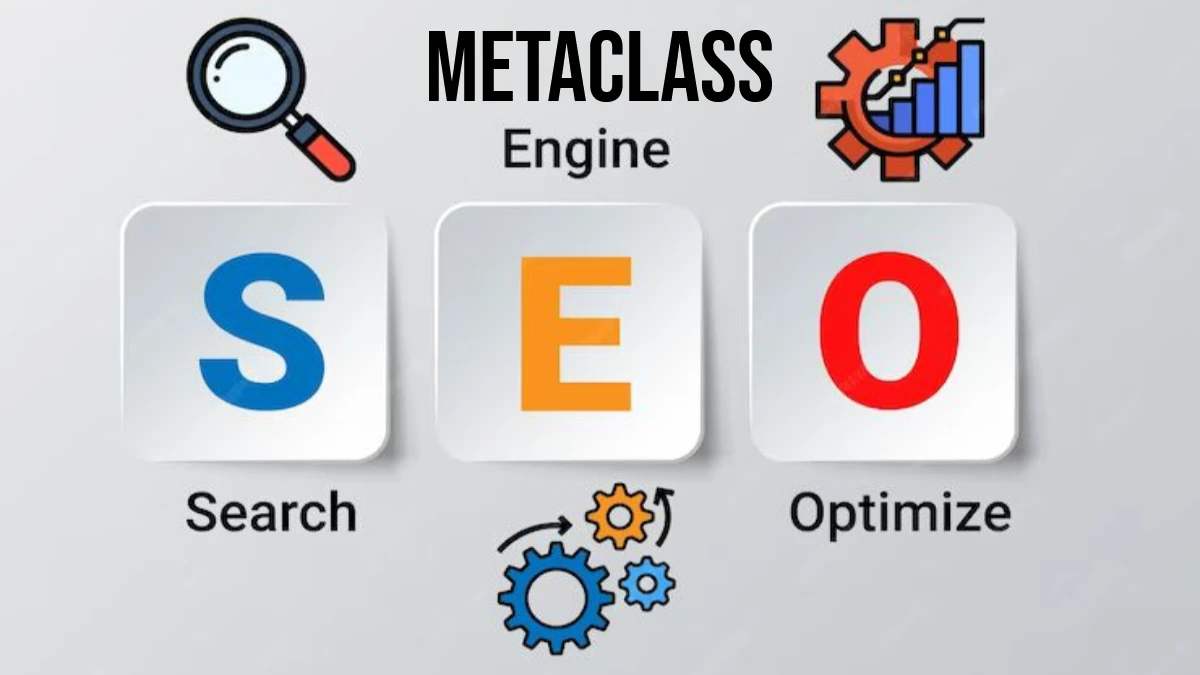
Di era digital saat ini, memiliki website saja tidak cukup. Ribuan halaman baru dipublikasikan setiap hari, dan tanpa strategi yang tepat, halaman Anda bisa tenggelam tanpa terlihat oleh siapa pun. Inilah titik di mana SEO (Search Engine Optimization) menjadi kunci. SEO bukan sekadar teknik untuk menempatkan kata kunci di halaman; SEO adalah strategi menyeluruh yang membantu website Anda ditemukan oleh orang yang tepat, pada waktu yang tepat, dengan cara yang paling efektif.
Bayangkan Anda memiliki toko fisik di jalan yang sepi. Tidak peduli seberapa bagus barang atau layanan yang Anda tawarkan, jika orang tidak tahu jalan ke toko Anda, mereka tidak akan pernah datang. SEO adalah “peta jalan” yang membawa pengunjung dari pencarian Google langsung ke website Anda. Dengan strategi SEO yang tepat, website Anda tidak hanya muncul di halaman pertama hasil pencarian, tetapi juga menarik pengunjung yang benar-benar tertarik dengan produk atau layanan Anda.
Lebih dari sekadar trafik, SEO membangun kredibilitas dan kepercayaan. Pengguna cenderung mempercayai website yang muncul di halaman pertama Google, karena secara psikologis, posisi itu menunjukkan otoritas dan relevansi. Hal ini berarti SEO bukan hanya tentang angka kunjungan; ini tentang membuat bisnis Anda terlihat profesional, dapat dipercaya, dan relevan di mata calon pelanggan.
Di dalam konten pilar ini, Metaclass akan membahas secara lengkap: apa itu SEO, bagaimana mekanisme kerja Google dari crawling hingga ranking, jenis-jenis SEO, kesalahan umum yang harus dihindari, dan strategi praktis yang bisa langsung diterapkan. Tujuannya jelas: memberi pembaca pemahaman mendalam sehingga mereka bisa mengoptimalkan website mereka dengan cara yang benar dan berkelanjutan.
Pendahuluan ini sekaligus menjadi fondasi. Setelah membaca bagian ini, pembaca akan memahami mengapa SEO bukan pilihan, tetapi kebutuhan bagi siapa pun yang serius ingin membangun keberadaan digital yang efektif.
Definisi SEO
SEO, atau Search Engine Optimization, adalah praktik sistematis untuk membuat website atau halaman web lebih mudah ditemukan, relevan, dan dipercaya oleh mesin pencari seperti Google. Intinya, SEO bukan sekadar menaruh kata kunci di halaman atau membuat konten panjang. SEO adalah strategi menyeluruh yang menggabungkan konten, struktur teknis, pengalaman pengguna, dan otoritas digital. Itulan alasan mengapa SEO dianggap penting dalam kelangsungan sebuah bisnis.
Bayangkan website Anda sebagai toko di sebuah kota besar. SEO adalah kombinasi dari lokasi strategis, desain toko yang menarik, staf yang ramah, dan reputasi yang baik di masyarakat. Semua elemen itu bekerja sama untuk memastikan pengunjung tidak hanya datang, tetapi juga merasa nyaman dan percaya pada bisnis Anda. Dalam dunia digital, Google adalah “peta kota” dan “penilai reputasi” sekaligus; SEO memastikan toko Anda ditemukan di peta dan dinilai layak dikunjungi.
SEO Tradisional vs SEO Modern
SEO tradisional sering dipahami sebagai penempatan kata kunci di judul, paragraf, atau meta tag. Namun, Search Engine Optimization modern jauh lebih kompleks:
- Konten Berkualitas: Memberikan jawaban lengkap, relevan, dan mudah dipahami bagi pengguna.
- Struktur Website: Navigasi yang jelas, URL yang bersih, dan internal link yang mendukung alur pengguna.
- Otoritas & Reputasi: Backlink dari situs terpercaya, social proof, dan interaksi yang menunjukkan nilai halaman.
- Pengalaman Pengguna (UX): Kecepatan halaman, mobile-friendly, desain intuitif, dan engagement yang baik.
Manfaat SEO bagi Bisnis
SEO bukan sekadar soal visibilitas. Berikut adalah beberapa dampak nyata dari implementasi Search Engine Optimization yang efektif:
- Trafik Organik Berkualitas: Pengunjung yang datang melalui pencarian memiliki minat nyata terhadap produk atau layanan Anda.
- Brand Awareness dan Kredibilitas: Website yang muncul di halaman pertama Google otomatis meningkatkan persepsi profesionalisme dan kepercayaan.
- Efisiensi Biaya Pemasaran: SEO jangka panjang bisa mengurangi ketergantungan pada iklan berbayar.
- Pertumbuhan Bisnis Berkelanjutan: Strategi SEO yang tepat membangun fondasi digital yang kuat, bukan sekadar lonjakan sementara.
Dengan memahami definisi SEO secara lengkap, pembaca akan memiliki kerangka pemikiran yang benar: SEO bukan trik cepat atau manipulasi algoritma, melainkan strategi holistik untuk membangun kehadiran digital yang efektif, relevan, dan berkelanjutan.
SEO Crawling
Setelah memahami apa itu SEO, langkah berikutnya adalah mengetahui bagaimana Google menemukan dan memahami website Anda. Proses pertama dalam mekanisme SEO disebut crawling.

Bayangkan website Anda sebagai rumah baru di sebuah kota yang luas. Tanpa alamat yang jelas atau jalan menuju rumah tersebut, orang tidak akan pernah menemukannya. Dalam dunia digital, Googlebot berperan sebagai “penjelajah kota” yang berkeliling mencari halaman baru. Crawling adalah tahap di mana bot ini menelusuri setiap halaman yang dapat diakses melalui link atau peta situs (sitemap).
Bagaimana Crawling Bekerja
- Mulai dari Halaman Terkenal: Googlebot memulai dari halaman yang sudah dikenal, seperti website populer, portal berita, atau halaman dengan backlink kuat.
- Mengikuti Link: Dari halaman awal, bot mengikuti tautan internal dan eksternal untuk menemukan halaman baru. Jika halaman Anda tidak memiliki link dari mana pun, kemungkinan besar bot tidak akan pernah menemukannya.
- Membaca Konten dan Struktur: Googlebot “membaca” HTML, teks, gambar, video, dan metadata. Ia mencoba memahami topik, kualitas konten, dan relevansi terhadap query pencarian.
- Mengirim Data ke Server Google: Setelah selesai, informasi halaman dikirim ke server Google untuk dianalisis lebih lanjut, sebelum masuk ke tahap indexing.
Faktor yang Mempengaruhi Crawling
- Link Internal dan Eksternal: Halaman yang terhubung dengan baik lebih mudah ditemukan.
- Sitemap XML: Sitemap memberi panduan langsung ke Googlebot tentang halaman yang penting.
- Kecepatan dan Responsivitas Website: Halaman lambat atau sering error bisa menghentikan crawling.
- Robots.txt: Konfigurasi yang salah bisa memblokir Googlebot secara tidak sengaja.
Contoh Praktis
Bayangkan dua website baru:
- Website A memiliki sitemap, internal link jelas, dan halaman sering diperbarui.
- Website B hanya memiliki satu halaman tanpa link atau peta situs.
Googlebot akan lebih cepat menemukan, membaca, dan menilai Website A, sementara Website B mungkin tidak akan pernah muncul di hasil pencarian karena tidak terdeteksi dengan benar.
Crawling adalah fondasi pertama dari seluruh proses SEO. Tanpa crawling yang efektif, halaman Anda tidak akan masuk ke tahap berikutnya yaitu indexing, dan tentu saja tidak akan mendapatkan peringkat yang baik. SEO bukan sekadar konten bagus, tetapi memastikan konten itu bisa ditemukan dan dibaca oleh Google.
SEO Indexing
Setelah Googlebot menemukan halaman website Anda melalui proses crawling, langkah berikutnya adalah indexing. Proses di mana Google menyimpan dan mengatur halaman-halaman tersebut agar siap muncul di hasil pencarian.
Bayangkan indexing seperti perpustakaan besar. Google memiliki jutaan halaman web, dan setiap halaman harus diberi tempat yang tepat sehingga saat seseorang mencari informasi tertentu, Google bisa mengambil halaman yang paling relevan dengan cepat. Tanpa indexing, meskipun halaman Anda sudah ditemukan, Google tidak akan tahu bagaimana menampilkannya kepada pengguna.
Bagaimana Indexing Bekerja
- Analisis Konten: Google menilai teks, heading, gambar, video, meta tag, dan struktur HTML. Semua elemen ini membantu Google memahami topik utama halaman.
- Menentukan Relevansi: Setiap halaman dianalisis untuk relevansi terhadap berbagai query pencarian. Kata kunci yang muncul secara natural, konteks konten, dan hubungan dengan halaman lain menjadi faktor penentu.
- Menyimpan di Database: Halaman yang lolos penilaian relevansi disimpan di indeks Google, siap ditampilkan saat ada pencarian terkait.
- Update Berkala: Google secara berkala melakukan re-crawling dan re-indexing untuk memastikan informasi yang ditampilkan selalu terbaru.
Faktor yang Mempengaruhi Indexing
- Kualitas Konten: Konten tipis, duplikat, atau tidak relevan bisa membuat halaman tidak diindeks.
- Struktur Website: Navigasi yang jelas dan sitemap membantu Google mengindeks halaman dengan benar.
- Mobile-Friendly dan Kecepatan Halaman: Website yang lambat atau tidak responsif bisa berdampak negatif.
- Canonical Tags dan Noindex: Tag yang salah konfigurasi bisa mencegah halaman diindeks.
Contoh Praktis
Misalnya, Anda memiliki halaman “Panduan SEO untuk Pemula”:
- Halaman memiliki struktur heading rapi, konten lengkap, gambar ilustratif, dan internal link ke artikel terkait. Google akan menganalisis dan menyimpan halaman ini dalam indeks.
- Jika halaman lain hanya berisi 2 paragraf dan tidak ada heading atau link, Google mungkin tidak akan mengindeksnya atau mengindeksnya dengan prioritas rendah, sehingga hampir tidak pernah muncul di hasil pencarian.
Indexing bukan sekadar menempatkan halaman di database; ini adalah tahap di mana Google memutuskan apakah halaman layak ditampilkan dan relevan untuk pencarian tertentu. Proses ini menentukan apakah upaya SEO Anda akan membuahkan hasil atau sia-sia.
SEO Ranking
Setelah halaman website Anda ditemukan melalui crawling dan disimpan di indeks Google melalui indexing, langkah berikutnya adalah ranking—proses menentukan posisi halaman Anda di hasil pencarian. Ranking adalah inti dari SEO karena semakin tinggi posisi halaman, semakin besar kemungkinan dikunjungi pengguna.
Bagaimana Google Menentukan Ranking
Google menggunakan ratusan faktor untuk menilai halaman dan menentukan peringkatnya. Beberapa faktor utama meliputi:
- Relevansi Konten: Seberapa baik konten halaman menjawab pertanyaan atau kebutuhan pengguna. Kata kunci penting, tetapi konteks dan kedalaman konten jauh lebih menentukan.
- Otoritas Halaman dan Domain: Backlink dari website terpercaya, reputasi domain, dan popularitas konten meningkatkan otoritas halaman.
- Pengalaman Pengguna (UX): Kecepatan website, desain responsif, navigasi mudah, dan interaksi pengguna memengaruhi ranking.
- Sinyal Teknis: Struktur HTML, schema markup, keamanan (HTTPS), dan Core Web Vitals membantu Google memahami dan menilai halaman.
Contoh Praktis
Bayangkan dua artikel tentang “Strategi SEO untuk Pemula”:
- Artikel A: Konten panjang, detail, dilengkapi contoh, internal link jelas, backlink alami dari situs populer.
- Artikel B: Konten singkat 300 kata, tanpa ilustrasi, tidak ada backlink.
Meski kedua artikel membahas topik yang sama, Google kemungkinan besar menempatkan Artikel A di peringkat lebih tinggi, karena lebih relevan, lebih otoritatif, dan memberikan pengalaman pengguna yang lebih baik.
Faktor Tambahan yang Mempengaruhi Ranking
- Freshness (Kebaruan Konten): Konten terbaru atau diperbarui secara berkala lebih disukai untuk topik yang cepat berubah.
- Engagement: Lama tinggal di halaman, bounce rate, dan interaksi pengguna memberi sinyal kualitas.
- Lokalisasi dan Personalization: Google menyesuaikan hasil pencarian berdasarkan lokasi dan preferensi pengguna.
Ranking bukan hanya soal menaruh kata kunci dengan tepat. Ini adalah penilaian holistik terhadap konten, teknis website, otoritas domain, dan pengalaman pengguna, yang bekerja sama untuk menentukan siapa yang muncul di halaman pertama Google.
Jenis-Jenis SEO
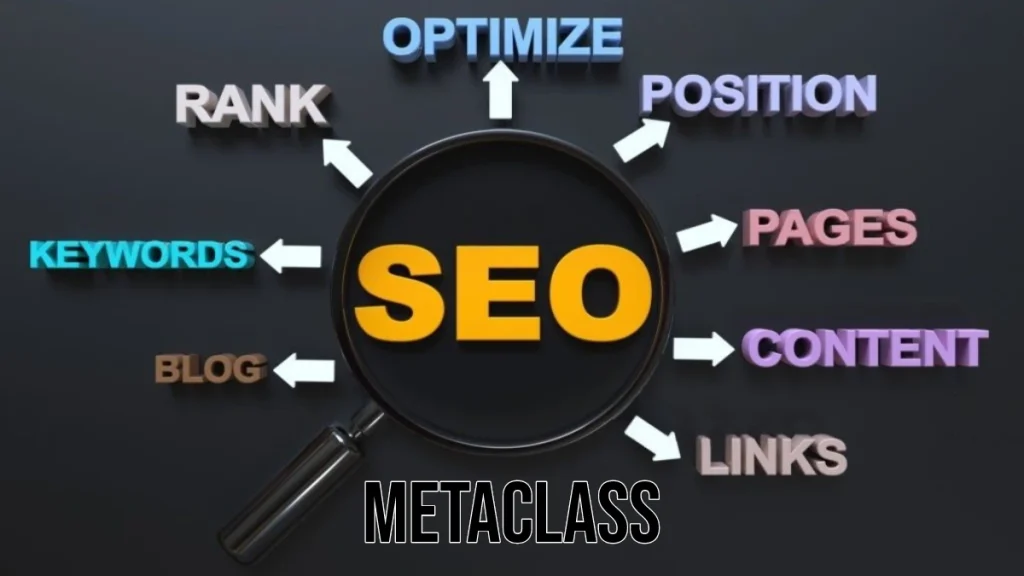
SEO bukan hanya satu teknik tunggal; ia terdiri dari beberapa jenis atau disiplin yang bekerja bersama untuk memastikan website Anda mudah ditemukan, relevan, dan bernilai tinggi bagi pengguna. Secara umum, ada tiga jenis SEO utama: On-Page, Off-Page, dan Technical. Memahami ketiganya adalah langkah penting agar strategi SEO Anda efektif dan berkelanjutan.
1. SEO On-Page
SEO On-Page adalah optimasi yang dilakukan langsung pada halaman website. Fokusnya adalah konten dan elemen teknis di dalam halaman agar relevan dan mudah dipahami Google.
Komponen utama SEO On-Page:
- Heading dan Struktur Konten: Penggunaan H1, H2, H3 secara logis memudahkan pembaca dan Google memahami hierarki informasi.
- Kata Kunci: Pemilihan kata kunci relevan yang muncul natural dalam konten, judul, meta description, dan URL.
- Meta Tag: Title tag dan meta description yang menarik dan mengandung kata kunci relevan.
- Internal Linking: Menautkan halaman lain di website untuk membangun alur navigasi dan distribusi otoritas halaman.
- Gambar dan Media: Penggunaan gambar dengan alt text yang sesuai dan ukuran optimal untuk kecepatan halaman.
Contoh Praktis:
Jika Anda menulis artikel “Panduan SEO Pemula”, menambahkan H2 seperti “Apa Itu SEO” dan H3 seperti “Jenis-Jenis SEO” membuat Google memahami struktur konten, sehingga halaman lebih mudah diindeks dan relevan untuk kata kunci yang ditargetkan.
2. SEO Off-Page
SEO Off-Page mencakup semua aktivitas di luar website yang meningkatkan reputasi, otoritas, dan visibilitas halaman Anda.
Komponen utama SEO Off-Page:
- Backlink: Tautan dari website terpercaya menjadi “suara” yang menilai kualitas halaman Anda.
- Social Signals: Aktivitas di media sosial seperti share, like, atau komentar dapat memberikan sinyal relevansi.
- Guest Post & Reputasi Online: Konten di situs lain yang menautkan ke halaman Anda memperkuat otoritas domain.
Contoh Praktis:
Jika artikel SEO Anda di-link dari portal berita atau blog populer di niche yang sama, Google menilai konten Anda lebih otoritatif dan kemungkinan besar memberi peringkat lebih tinggi.
3. SEO Technical
SEO Technical memastikan website secara teknis dapat diakses, dicrawl, dan dipahami Google dengan baik. Tanpa optimasi teknis, halaman terbaik pun bisa tidak muncul di hasil pencarian.
Komponen utama SEO Technical:
- Kecepatan Website: Halaman yang lambat mengurangi pengalaman pengguna dan peringkat di Google.
- Mobile-Friendly: Desain responsif memastikan halaman mudah dibaca di perangkat mobile.
- HTTPS & Keamanan: Website aman menjadi faktor kepercayaan dan ranking.
- Schema Markup: Memberikan informasi tambahan ke Google tentang konten seperti produk, review, event.
- Core Web Vitals: Ukuran stabilitas visual, interaktivitas, dan kecepatan loading halaman.
Contoh Praktis:
Website toko online yang cepat, aman, dan responsif akan lebih mudah diindeks dan muncul di peringkat tinggi, dibandingkan website dengan tampilan lambat dan tidak mobile-friendly.
Menggabungkan ketiga jenis SEO ini secara konsisten akan menghasilkan strategi SEO holistik: konten berkualitas, reputasi online kuat, dan fondasi teknis yang solid. Tanpa salah satu komponen, upaya Search Engine Optimization bisa tidak optimal atau bahkan sia-sia.
Kesalahan SEO Umum
Memahami SEO saja tidak cukup; mengetahui kesalahan umum yang sering dilakukan pemilik website sama pentingnya. Banyak halaman gagal mencapai peringkat tinggi bukan karena kontennya buruk, tetapi karena kesalahan yang bisa dihindari sejak awal.
1. Konten Tipis (Thin Content)
Konten tipis adalah halaman dengan teks minim, informasi dangkal, atau tidak memberikan jawaban yang memadai bagi pengguna. Google menilai halaman seperti ini kurang bernilai, sehingga peringkatnya rendah atau bahkan tidak diindeks.
Contoh Praktis:
Halaman “Panduan SEO” hanya berisi 2 paragraf tanpa contoh, gambar, atau heading. Pengguna dan Google akan menganggap halaman ini kurang membantu, dan peluang muncul di halaman pertama sangat kecil.
Solusi:
Buat konten panjang, mendalam, dengan struktur jelas, gambar, tabel, dan jawaban yang komprehensif bagi pertanyaan pengguna.
2. Keyword Stuffing
Keyword stuffing terjadi ketika kata kunci ditempatkan secara berlebihan dan tidak alami, misalnya menulis “SEO tips SEO tips SEO tips” hanya untuk mencoba meningkatkan relevansi.
Dampak:
Google bisa menurunkan peringkat halaman atau menandainya sebagai spam.
Solusi:
Gunakan kata kunci secara alami, fokus pada konteks dan relevansi, bukan jumlah kata kunci.
3. Backlink Spam
Mencari backlink secara agresif dari situs yang tidak relevan atau berkualitas rendah dapat merusak reputasi domain dan menurunkan peringkat.
Contoh Praktis:
Membeli ratusan backlink dari forum atau direktori spam. Google menilai ini manipulatif dan bisa menghukum website.
Solusi:
Bangun backlink alami dari website terpercaya dan relevan dengan niche Anda. Guest post dan kolaborasi konten adalah cara yang lebih aman.
4. Website Lambat atau Tidak Mobile-Friendly
Kecepatan halaman dan responsivitas mobile kini menjadi faktor ranking utama. Website lambat atau tidak bisa diakses dengan baik di ponsel akan mengurangi pengalaman pengguna dan menurunkan peringkat.
Contoh Praktis:
Halaman e-commerce yang membutuhkan 10 detik untuk loading atau layoutnya pecah di smartphone. Pengguna meninggalkan halaman, Google menilai pengalaman buruk, peringkat turun.
Solusi:
Optimalkan gambar, gunakan hosting cepat, desain responsif, dan periksa Core Web Vitals.
5. Konten Tidak Diperbarui
Website yang jarang diperbarui atau kontennya usang akan kalah bersaing. Google lebih menyukai halaman yang relevan, terbaru, dan akurat.
Solusi:
Rutin perbarui konten lama, tambahkan informasi baru, dan pastikan semua tautan berfungsi dengan baik.
Menghindari kesalahan umum ini adalah langkah penting agar upaya SEO Anda tidak sia-sia. Peringkat tinggi bukan hanya soal menulis konten, tetapi juga mengelola website secara benar dan berkelanjutan.
Strategi SEO Praktis
Setelah memahami dasar-dasar SEO, bagaimana mekanismenya bekerja, jenis-jenis SEO, dan kesalahan yang harus dihindari, langkah berikutnya adalah menerapkan strategi SEO untuk menguasai dunia digital. Strategi ini dirancang agar website Anda tidak hanya ditemukan Google, tetapi juga mendapatkan peringkat tinggi secara berkelanjutan.
1. Riset Kata Kunci
Riset kata kunci adalah fondasi dari strategi SEO yang efektif. Mengetahui kata kunci yang dicari audiens memungkinkan Anda membuat konten yang tepat dan relevan.
Langkah Praktis:
- Gunakan tools seperti Google Keyword Planner, Ahrefs, atau SEMrush.
- Pilih kata kunci dengan volume pencarian cukup tinggi dan tingkat persaingan yang realistis.
- Fokus pada kata kunci long-tail untuk target audiens lebih spesifik.
Contoh:
Alih-alih menargetkan “SEO”, gunakan kata kunci long-tail seperti “strategi SEO untuk bisnis kecil”.
2. Konten Mendalam & Berkualitas Tinggi
Konten yang komprehensif membantu pengguna menemukan jawaban yang mereka butuhkan dan meningkatkan otoritas halaman.
Langkah Praktis:
- Buat artikel lebih dari 1.000 kata jika memungkinkan.
- Gunakan heading H2/H3 untuk struktur jelas.
- Sertakan gambar, tabel, atau diagram untuk visualisasi.
- Jawab pertanyaan yang sering diajukan pengguna.
Contoh:
Artikel “Panduan SEO untuk Pemula” menyertakan contoh nyata, checklist, dan FAQ untuk memberikan jawaban lengkap.
3. Optimasi On-Page dan Technical
Mengoptimalkan elemen di dalam halaman dan aspek teknis website memastikan Google memahami konten dan mengindeksnya dengan benar.
Langkah Praktis:
- Perbaiki meta title, meta description, dan URL yang bersih.
- Gunakan internal linking antar halaman terkait.
- Tingkatkan kecepatan halaman dan pastikan desain responsif.
- Gunakan schema markup untuk membantu Google memahami konteks konten.
4. Backlink Alami & Relevan
Backlink dari situs terpercaya meningkatkan otoritas halaman dan domain.
Langkah Praktis:
- Tulis guest post di situs niche yang relevan.
- Dapatkan backlink dari artikel yang membahas topik serupa.
- Hindari membeli backlink atau menggunakan teknik spam.
Contoh:
Artikel SEO di Metaclass mendapatkan backlink dari blog digital marketing terkemuka yang relevan, meningkatkan kepercayaan Google terhadap konten tersebut.
5. Monitoring & Update Konten
SEO bukan aktivitas sekali jadi. Konten yang diabaikan akan kehilangan relevansi, sedangkan update berkala menjaga peringkat tetap stabil.
Langkah Praktis:
- Pantau trafik dan peringkat menggunakan Google Analytics dan Google Search Console.
- Perbarui artikel lama dengan informasi terbaru.
- Perbaiki link rusak dan optimalkan konten tambahan.
6. Fokus Pengalaman Pengguna (UX)
Google semakin menekankan pengalaman pengguna sebagai faktor ranking. Website yang nyaman digunakan akan lebih disukai.
Langkah Praktis:
- Desain navigasi intuitif.
- Optimalkan halaman untuk mobile.
- Perhatikan kecepatan load dan interaktivitas halaman.
Dengan menerapkan strategi-strategi ini secara konsisten, website Anda tidak hanya akan ditemukan di Google, tetapi juga mendapat peringkat tinggi, trafik berkualitas, dan reputasi yang kuat di dunia digital. SEO yang baik adalah kombinasi dari konten, teknis, backlink, dan pengalaman pengguna yang solid.
Contoh Implementasi SEO yang Sukses dan Gagal
Teori dan strategi SEO akan lebih mudah dipahami jika kita melihat contoh nyata. Di bagian ini, kita akan membahas dua studi kasus mini: satu implementasi Search Engine Optimization yang sukses, dan satu kegagalan yang bisa menjadi pelajaran penting.
1. Studi Kasus Sukses – Peningkatan Trafik dan Ranking
Sebuah startup e-commerce kecil ingin meningkatkan visibilitas produknya secara organik. Tim mereka menerapkan strategi SEO yang lengkap:
- Melakukan riset kata kunci untuk menemukan long-tail keyword relevan.
- Membuat konten mendalam dan terstruktur: panduan produk, artikel tutorial, FAQ.
- Mengoptimalkan on-page SEO: meta title, meta description, heading, gambar dengan alt text.
- Membangun backlink alami dari blog dan forum terkait niche mereka.
- Memastikan website cepat, mobile-friendly, dan aman (HTTPS).
- Memantau performa dengan Google Analytics dan Search Console, lalu memperbarui konten lama secara berkala.
Hasil:
- Dalam 6 bulan, website naik ke halaman pertama Google untuk beberapa kata kunci target.
- Trafik organik meningkat lebih dari 250%.
- Tingkat konversi meningkat karena pengunjung yang datang adalah audiens relevan yang benar-benar mencari produk mereka.
Insight:
Strategi holistik yang menggabungkan konten berkualitas, optimasi teknis, backlink relevan, dan pemantauan rutin memberikan hasil nyata dan berkelanjutan.
2. Studi Kasus Kegagalan – Halaman Tidak Diindeks
Sebuah website baru menulis beberapa artikel SEO, tetapi hasilnya tetap minim trafik. Analisis mengungkap beberapa masalah:
- Artikel konten tipis dan tidak relevan dengan kata kunci target.
- Tidak ada internal linking atau sitemap, sehingga Googlebot kesulitan menemukan halaman baru.
- Website lambat dan tidak responsif di mobile.
- Banyak backlink dari situs spam yang menurunkan otoritas domain.
Hasil:
- Halaman jarang muncul di hasil pencarian, trafik stagnan.
- Ranking rendah bahkan untuk kata kunci yang relatif mudah.
Insight:
SEO yang hanya mengandalkan konten saja tanpa memperhatikan aspek teknis, pengalaman pengguna, dan reputasi domain hampir pasti gagal. Hal ini menegaskan bahwa SEO adalah strategi holistik, bukan sekadar trik cepat.
Pelajaran dari Studi Kasus Mini
- SEO efektif membutuhkan konten berkualitas, struktur teknis yang baik, pengalaman pengguna yang optimal, dan backlink relevan.
- Mengabaikan salah satu aspek ini bisa membuat seluruh upaya SEO sia-sia.
- Studi kasus nyata membantu memahami implikasi praktis dari teori SEO dan memandu pengambilan keputusan strategis untuk website Anda sendiri.
Menguasai SEO untuk Keberhasilan Digital yang Berkelanjutan
SEO bukan sekadar sekumpulan trik atau strategi instan untuk menaikkan peringkat di Google. Dari pendahuluan hingga studi kasus, kita bisa melihat bahwa SEO adalah proses holistik yang menggabungkan konten berkualitas, optimasi teknis, pengalaman pengguna, dan reputasi domain. Semua elemen ini bekerja sama untuk memastikan website Anda tidak hanya ditemukan, tetapi juga memberikan nilai nyata bagi pengunjung.
Memahami mekanisme Search Engine Optimization dari crawling, indexing, hingga ranking. Memberikan kerangka yang jelas tentang bagaimana Google menilai dan menempatkan halaman. Mengetahui jenis-jenis SEO dan menghindari kesalahan umum memastikan usaha yang Anda lakukan tidak sia-sia. Strategi praktis dan studi kasus nyata menegaskan bahwa SEO yang efektif memerlukan konsistensi, ketelitian, dan pendekatan yang terstruktur.
Bagi pemilik website dan bisnis, kesimpulannya jelas: SEO bukan pilihan, tetapi kebutuhan utama untuk membangun keberadaan digital yang berkelanjutan. Dengan menerapkan prinsip-prinsip yang telah dijabarkan, Anda bisa meningkatkan trafik organik, membangun kredibilitas, dan mencapai tujuan bisnis secara lebih efisien dan berkelanjutan.
SEO adalah investasi jangka panjang. Setiap halaman yang dioptimalkan dengan benar adalah aset digital yang akan terus memberi manfaat bagi bisnis Anda, bukan hanya untuk hari ini, tetapi untuk masa depan.
Tinggalkan Balasan